
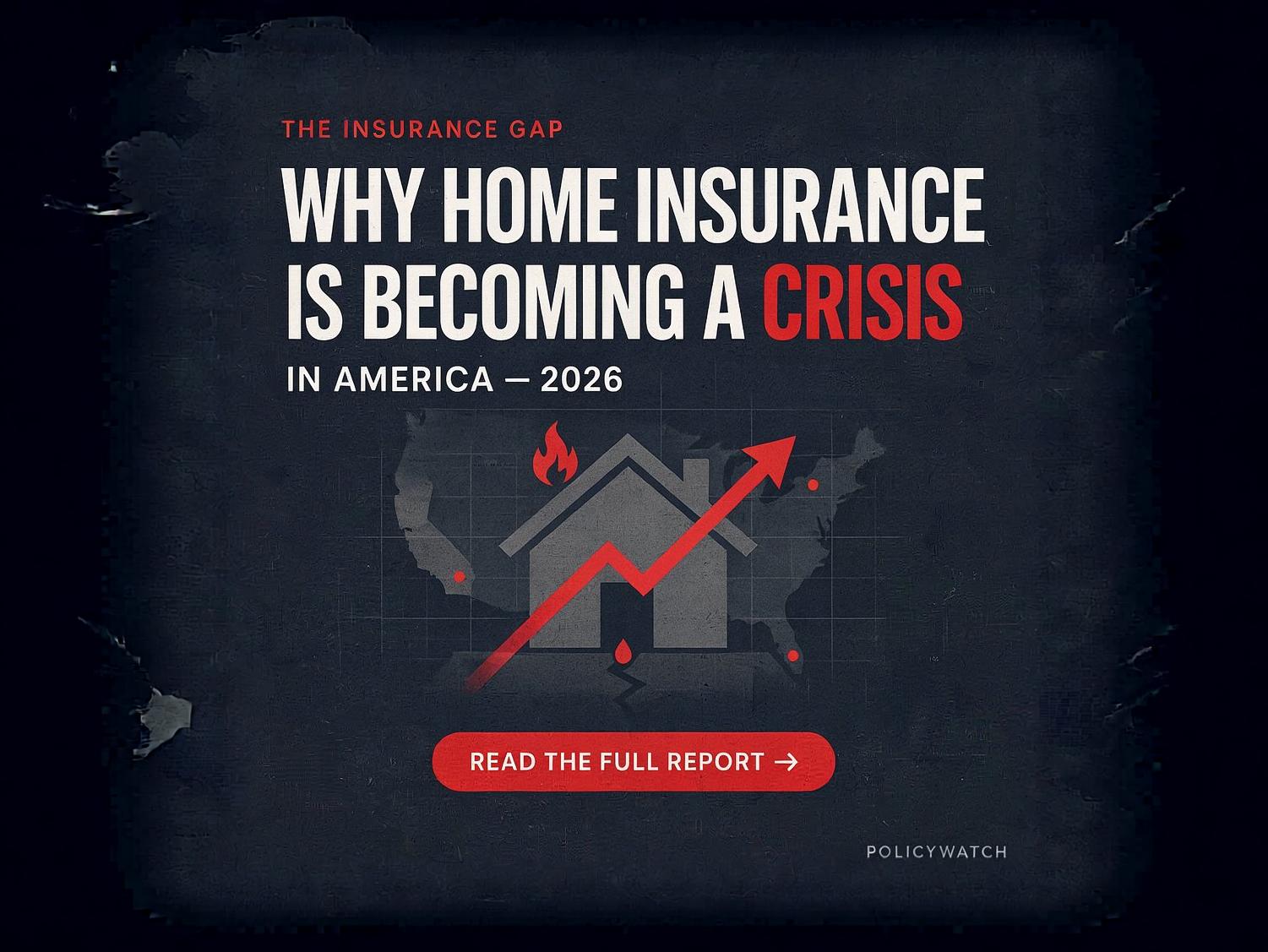
America’s housing market is facing a major challenge in 2026, and the growing home insurance crisis is now affecting millions of homeowners across the country. What was once a manageable expense has turned into a serious financial burden due to rising home insurance costs, extreme weather, and market instability. From Florida to California, families are struggling with higher bills, limited coverage, and sudden policy cancellations.
The sharp rise in insurance premiums in America is creating a widespread property insurance crisis that impacts both homeowners and buyers. As home insurance rates 2026 continue climbing, understanding this crisis has never been more important for protecting your home and financial future.
Understanding the Home Insurance Crisis in America
The home insurance crisis in America refers to a growing problem where homeowners are paying more for less coverage. Insurance companies are increasing rates, reducing protection, and leaving risky markets. This has created major stress for millions of property owners. In many states, homeowners are receiving shocking renewal notices with premiums jumping by 20% to 50%.
This crisis is driven by multiple forces. Natural disasters are becoming more severe. Repair costs are climbing. Insurers are paying out record claims. At the same time, many companies are struggling with insurance market instability. This creates uncertainty for homeowners who depend on insurance to protect their biggest investment.
| Key Problem | Impact |
|---|---|
| Premium Increases | Higher monthly expenses |
| Policy Non-Renewals | Loss of protection |
| Insurer Exits | Fewer insurance options |
| Climate Risk | More claim payouts |
Why Homeowners Insurance Costs Are Rising in 2026
The biggest reason behind the homeowners insurance crisis is rising costs across the industry. Insurance providers now face much larger expenses than they did just a few years ago. Every home repair costs more. Every claim costs more. This pushes insurance premiums in America higher year after year.
Another reason is risk recalculation. Insurance companies now use advanced data to measure future risks. They analyze storms, wildfire zones, flood maps, and local conditions. This deeper property risk assessment has caused many homes to move into higher-risk categories. As a result, homeowners are seeing painful insurance rate hikes.
Inflation and Higher Repair Costs
Inflation has made everything more expensive. Labor costs are up. Construction materials cost more. Roofing, plumbing, electrical repairs, and rebuilding now require bigger budgets. Even small claims cost insurers more money than before.
Rising Property Values
Homes in many parts of America are worth more than ever. Higher property values mean higher replacement costs. If a home is damaged or destroyed, insurers must pay more to rebuild it.
More Frequent Insurance Claims
Severe weather and natural disasters have increased claim frequency. Water damage, storms, hail, and fires are hitting homeowners more often. This pushes overall industry losses higher.
How Climate Change Is Making Home Insurance More Expensive
Climate risk has become one of the strongest forces behind the home insurance rates 2026 surge. Insurance companies are no longer looking only at past claims. They now predict future disasters with advanced models. This shift has increased concern around climate risk insurance.
The result is clear. Areas once considered safe are becoming riskier. Wildfires are spreading into new regions. Flooding is hitting unexpected places. Storms are becoming stronger. This raises the cost of catastrophic loss insurance and creates serious pressure for insurers.
Hurricanes in Coastal States
Hurricane-prone regions face some of the highest insurance costs in America. Coastal homeowners are paying significantly more because insurers expect stronger storms and higher losses.
Wildfires in Western America
The California wildfire insurance crisis is one of the clearest examples of climate pressure. Wildfires have destroyed thousands of homes and caused billions in damage.
Flooding and Extreme Rainfall
Flood risks are rising in many inland regions. Heavy rain and flash floods are causing serious damage far beyond traditional flood zones.
Why Insurance Companies Are Leaving High-Risk States
One of the biggest warning signs in the homeowners insurance crisis is the growing number of insurer exits. Many insurance companies are reducing business in risky states. Some are freezing new policies. Others are fully leaving. This creates dangerous insurance coverage withdrawal problems.
When insurers leave a market, homeowners lose options. Less competition often means higher prices. In severe cases, people cannot find coverage at all. This issue is especially serious in high-risk insurance states where weather-related claims are rising rapidly.
The Florida Insurance Crisis
Home insurance problems in Florida continue to worsen. Hurricanes, flooding, legal issues, and claim costs have pushed insurers out of the market.
California’s Insurance Market Collapse
Wildfire losses have triggered major insurance non-renewal notices across California. Many homeowners now struggle to secure affordable coverage.
Challenges in Louisiana
Louisiana continues facing major storm risks and insurer losses. Homeowners are seeing fewer choices and rising costs.
| State | Major Risk | Insurance Trend |
|---|---|---|
| Florida | Hurricanes | Very High Premiums |
| California | Wildfires | Non-Renewals |
| Louisiana | Storms/Flooding | Insurer Exits |
Part 1 complete.
Reply with “Part 2” and I’ll continue the next section.
Why Home Insurance Is Becoming a Crisis in America in 2026
States Facing the Biggest Home Insurance Crisis in 2026
Not all states are suffering equally from the homeowners insurance crisis. Some states are under far more pressure because of hurricanes, wildfires, floods, and severe storms. These risks have created extreme insurance market instability. Homeowners in these areas are paying much more for coverage than the national average.
States like Florida, California, Texas, Louisiana, and Colorado remain under the most pressure. These are now widely considered high-risk insurance states. Many families in these regions face difficult choices between paying for insurance or reducing other household expenses.
| State | Average Annual Premium | Main Risk |
|---|---|---|
| Florida | $11,000+ | Hurricanes |
| California | $2,500+ | Wildfires |
| Texas | $4,500+ | Storms |
| Louisiana | $7,500+ | Flooding |
| Colorado | $4,000+ | Hail/Wildfire |
This table shows why many Americans search for States with highest home insurance premiums and Best states with affordable home insurance. The gap between expensive and affordable markets keeps growing.
The Real Impact of Rising Home Insurance Premiums on Homeowners
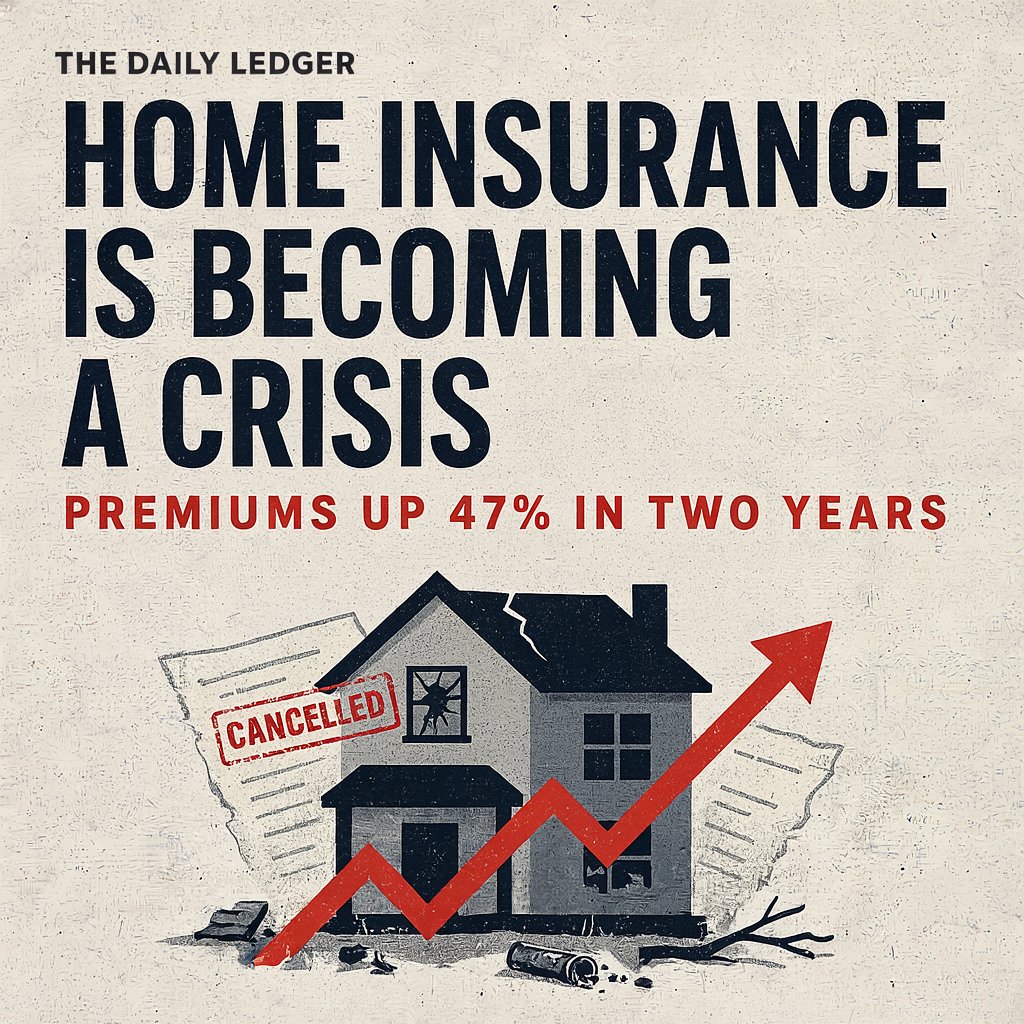
The human impact of this crisis is massive. Rising bills are hurting families across income levels. Many homeowners now spend hundreds more every month just to keep their homes insured. That makes homeowners insurance affordability one of the biggest financial challenges in 2026.
The burden hits middle-class families hardest. Retirees also feel major pressure because many live on fixed incomes. The increase in insurance premiums in America has turned insurance from a manageable expense into a serious budget problem. This is pushing many households into the wider Homeownership affordability crisis.
Middle-Class Families Are Hit Hardest
Families with mortgages already face pressure from utilities, groceries, and loan payments. Adding higher insurance costs creates more stress and reduces savings.
Retirees Face Growing Pressure
Older homeowners often have fewer income sources. Sharp premium increases can damage long-term financial stability.
Fixed-Income Homeowners at Risk
When expenses rise faster than income, homeowners face tough decisions. Some reduce coverage to save money, which creates bigger future risks.
How the Home Insurance Crisis Is Affecting the Housing Market
The Insurance crisis impact on real estate is becoming impossible to ignore. Higher insurance costs directly increase total homeownership expenses. Buyers are now calculating mortgage payments, property taxes, and insurance together. In many markets, insurance has become a deal-breaker.
This has triggered a growing real estate insurance crisis. Some buyers are walking away from deals after seeing insurance quotes. Others struggle with mortgage insurance challenges because lenders require active coverage before approving loans. As a result, sales in risky areas are slowing.
| Factor | Impact on Housing |
|---|---|
| High Insurance Cost | Reduced Buyer Interest |
| Insurer Exits | Fewer Financing Options |
| Coverage Limits | Lower Property Appeal |
Rising Ownership Costs
Owning a home is becoming more expensive each year. Insurance now plays a much larger role in total ownership cost.
Reduced Buyer Demand
Buyers prefer areas with stable insurance costs. Expensive markets are seeing weaker demand.
Real Estate Market Slowdown
Properties in risky areas may stay unsold longer. Insurance cost is now affecting market speed and home pricing.
Why Buying a Home in America Has Become Harder in 2026
Buying a home in 2026 feels much harder than before. Mortgage rates remain elevated. Property taxes are increasing. Insurance costs are rising sharply. Together, these pressures are changing the economics of homeownership. This explains why searches for Can you buy a house without insurance? and How insurance affects mortgage approval are growing fast.
Most lenders require homeowners insurance before approving a mortgage. If insurance becomes unavailable or too expensive, financing becomes difficult. This creates serious property coverage issues in risky areas. The home insurance crisis is now reshaping where people buy homes and where they avoid buying altogether.
This trend is also changing migration patterns. Buyers are moving toward Climate-safe housing markets with lower disaster risks and stable premiums. Affordability now depends on far more than the listing price alone.
Part 2 complete.
Reply with “Part 3” for the final section, including government solutions, homeowner tips, future outlook, FAQs, and conclusion.
Why Home Insurance Is Becoming a Crisis in America in 2026
What Government and Regulators Are Doing to Solve the Crisis
Government agencies and regulators are trying to reduce pressure from the growing homeowners insurance crisis. State leaders are introducing reforms to stabilize local insurance markets. Their main goal is to prevent more insurer exits in America and improve access to coverage for homeowners in vulnerable regions.
Some states now rely more heavily on state-backed insurance programs to help homeowners who cannot find private coverage. These programs act as a safety net when private insurers leave. However, these solutions are often expensive and limited. That is why many experts believe broader reforms are still needed to address long-term insurance market instability.
State-Level Reforms
States are introducing legal reforms, rate adjustments, and policy changes to attract insurers back into risky markets.
Federal Disaster Programs
Federal support helps disaster-hit communities recover after severe weather events and major losses.
Insurance Policy Changes
Many regulators are reviewing pricing models to balance affordability with insurer stability.
| Solution | Goal |
|---|---|
| State Reforms | Stabilize Markets |
| Federal Aid | Disaster Recovery |
| Public Insurance Programs | Coverage Access |
How Homeowners Can Lower Insurance Costs in 2026
Although the home insurance crisis continues to worsen, homeowners still have ways to reduce costs. Small changes can improve affordability and reduce risk. The first step is understanding What causes insurance premiums to rise? Once you know that, you can make smarter decisions.
Homeowners should review policies regularly and compare rates from multiple insurers. Shopping around can reveal major price differences for similar coverage. This remains one of the best answers to How to lower homeowners insurance costs. Even modest changes can lead to meaningful savings over time.
Bundle Insurance Policies
Combining home and auto insurance often lowers total premium costs and improves discounts.
Increase Deductibles
Higher deductibles usually reduce monthly premiums, though out-of-pocket costs increase during claims.
Improve Home Safety
Upgrading roofs, installing alarms, and improving fire protection can reduce insurance risk.
Shop Around for Better Rates
Different insurers calculate risk differently. Comparing options can save homeowners thousands.
| Action | Potential Benefit |
|---|---|
| Bundle Policies | Lower Premiums |
| Raise Deductible | Reduced Monthly Cost |
| Home Upgrades | Better Risk Score |
| Compare Insurers | More Affordable Options |
Future of Home Insurance in America (2026–2030)
The Future of homeowners insurance in America looks challenging. Experts expect rising home insurance costs to continue over the next several years. Climate risk, inflation, and severe weather will remain major drivers. This means the homeowners insurance crisis may become even more serious before conditions improve.
Technology will also reshape the industry. AI and advanced analytics are changing how insurers calculate risk. Future pricing will rely more on real-time property risk assessment and location-specific threats. This may create more accurate pricing. However, it could also make insurance even more expensive in dangerous areas. The question of Insurance availability in high-risk areas will remain critical.
Markets with lower climate risk may become more attractive in the future. Buyers and investors are already studying safer regions more carefully. This connects directly to How climate change affects insurance and long-term housing demand.
FAQs
Why is home insurance so expensive in 2026?
Insurance costs are rising because of inflation, expensive repairs, severe weather, and increased claims. These factors continue pushing home insurance rates 2026 higher.
Why are insurers leaving certain states?
Insurers leave markets when losses become too high. Hurricanes, wildfires, and flooding make some regions too risky for profitable coverage.
Why is homeowners insurance rising in America?
The main reasons are climate risk, inflation, repair costs, and increased claims. These trends are driving the ongoing property insurance crisis.
Can insurance affect home value?
Yes. High insurance costs can reduce buyer interest and hurt affordability. This can negatively impact property demand and resale value.
What happens if insurance is non-renewed?
Homeowners must quickly find a new insurer. If they have a mortgage, losing coverage can create serious loan-related problems.
Why are insurance companies dropping homeowners?
Many insurers are reducing exposure in risky areas. This leads to insurance non-renewal notices and fewer available policies.
Can you buy a house without insurance?
Cash buyers may technically buy without insurance. Mortgage lenders usually require active coverage before loan approval.
Want More Trending News? visit our News Section.

The founder and content creator behind RankWithUmar.com, covering celebrity news, entertainment updates, and trending digital stories